What It Is
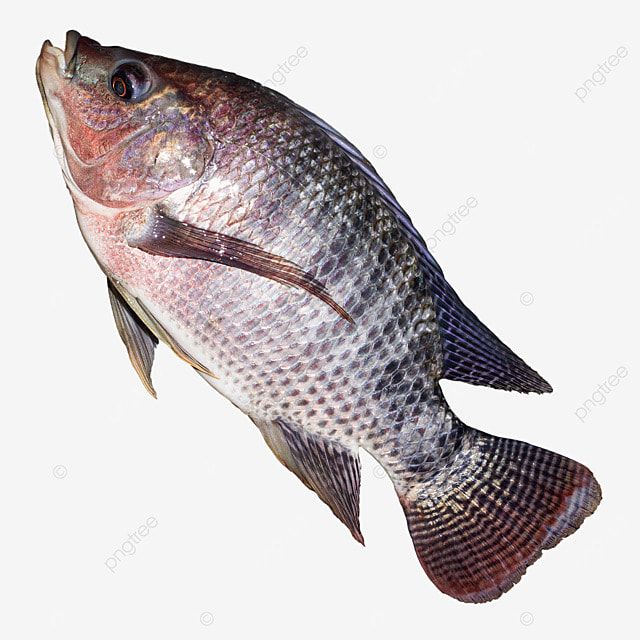
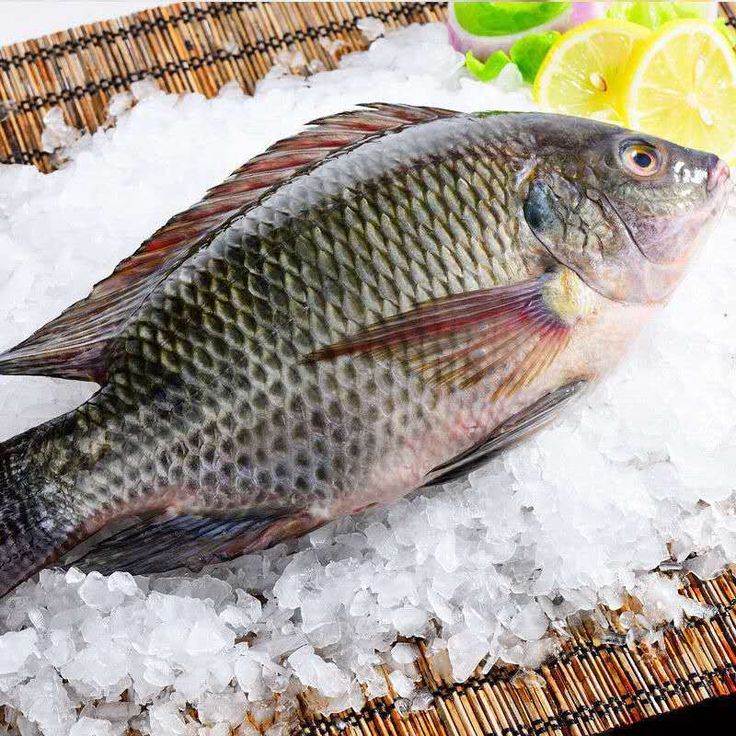
Tilapia is a mild-flavored freshwater fish belonging to the Cichlidae family. It is one of the most widely farmed fish in the world due to its fast growth rate, adaptability, and affordability. Tilapia is highly valued in global seafood markets because it is rich in lean protein, omega-3 fatty acids, selenium, vitamin B12, and phosphorus.
Tilapia is exported in several forms including live, fresh-chilled, frozen, and filleted, catering to both wholesale and retail markets worldwide.
What Export of It Is
Exporting tilapia involves farming or sourcing from aquaculture producers, processing under hygienic and certified conditions, packaging in international-standard formats, and shipping under cold chain logistics.
Tilapia is among the top 5 most traded seafoods globally, with huge demand in United States, Europe, Middle East, and Asia. Exporters must comply with food safety standards like HACCP, FDA, EU regulations, and Codex Alimentarius.
Uses of Tilapia
-
Culinary:
-
Consumed grilled, fried, baked, or filleted.
-
Used in soups, stews, and seafood dishes.
-
A key ingredient in both traditional and international cuisines.
-
-
Nutritional:
-
Excellent source of lean protein.
-
Supports heart, bone, and brain health.
-
-
Industrial Uses:
-
Tilapia skin is increasingly used in wound care treatments due to its collagen content.
-
Specifications for Export
Forms of Export
-
Live Tilapia:
-
Healthy, active, uniform in size.
-
Packed in oxygenated water containers.
-
-
Fresh-Chilled Tilapia:
-
Stored at 0–4°C.
-
Shelf life: 7–10 days.
-
-
Frozen Whole Tilapia:
-
Blast frozen at -18°C or lower.
-
Shelf life: 12–24 months.
-
-
Tilapia Fillets:
-
Skin-on or skinless.
-
Boneless, vacuum-sealed.
-
Moisture content ≤ 5%.
-
Quality Standards
-
Free from antibiotics, preservatives, and harmful residues.
-
No broken bones or off-odors.
-
Complies with EU/US microbiological standards:
-
Salmonella: Absent
-
Listeria: Absent
-
E. coli: < 10 CFU/g
-
Packaging Options
-
Frozen whole fish: Polyethylene-lined cartons (5kg, 10kg, 20kg).
-
Fillets: Vacuum-sealed pouches (200g – 1kg retail packs).
-
Fresh fish: Ice-packed boxes with ventilation.
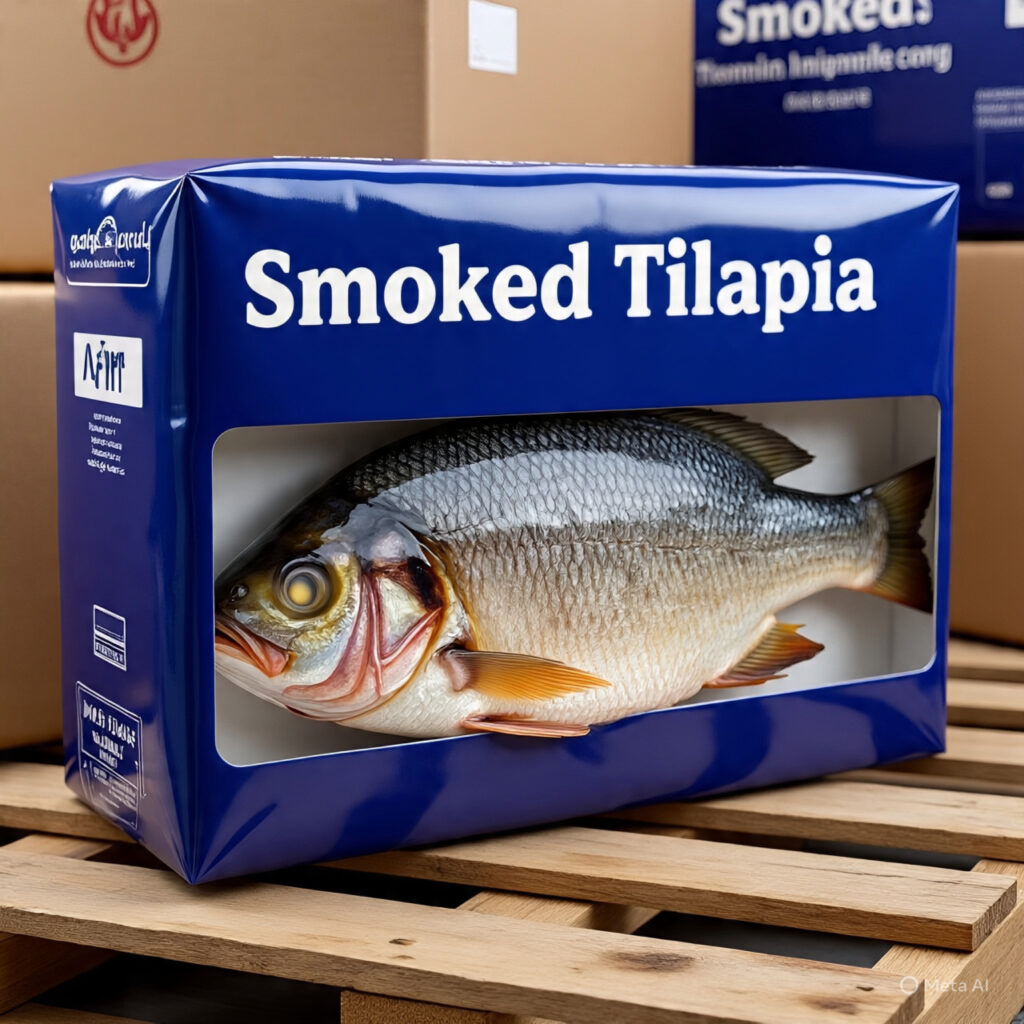
Each package must carry:
-
Product name
-
Scientific name (Oreochromis niloticus or related species)
-
Net weight
-
Processing & expiry dates
-
Batch number
-
Storage instructions
HS Code
-
0302.73 – Tilapia, fresh or chilled.
-
0303.79 – Tilapia, frozen.
-
0304.87 – Tilapia fillets, fresh or frozen.
Export Form
-
Live tilapia
-
Fresh chilled tilapia
-
Frozen tilapia (whole or gutted)
-
Tilapia fillets (skin-on/skinless)
Top Import Destinations
-
United States & Canada – major buyers of frozen tilapia fillets.
-
Europe (UK, Spain, Italy, Germany) – demand for both frozen and fresh tilapia.
-
Middle East (Saudi Arabia, UAE, Qatar, Kuwait) – strong demand for fresh-chilled tilapia.
-
Asia (China, Malaysia, Thailand, Singapore) – processing and consumption markets.
Conclusion: Tilapia is one of the most profitable and widely consumed aquaculture products worldwide. Exporters who focus on quality farming practices, international food safety certification, and cold chain logistics can penetrate premium markets in North America, Europe, and Asia.