What It Is
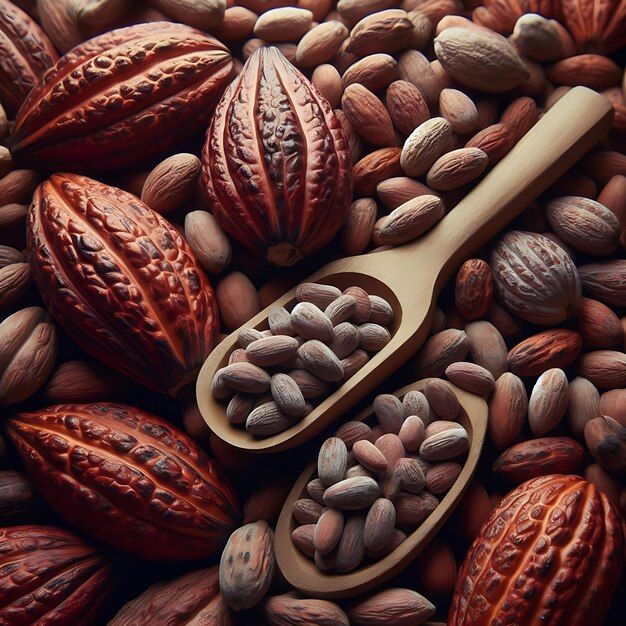
Cocoa (Theobroma cacao) is the dried, fermented seed of the cacao tree, widely recognized as the foundation of the global chocolate industry. Beyond confectionery, cocoa is a vital agricultural commodity, valued for its unique flavor, high fat content (cocoa butter), polyphenols, and diverse applications in the food, beverage, cosmetics, and pharmaceutical industries.
What Export of Cocoa Is
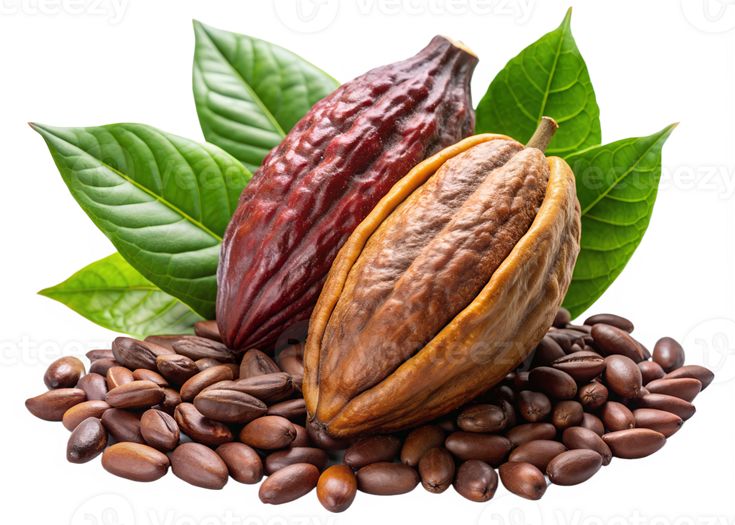
Cocoa export refers to the international trade of cocoa beans and value-added derivatives such as cocoa powder, cocoa butter, cocoa liquor, and cocoa nibs. Exporters ensure that only premium, well-fermented, and dried beans that meet global standards are supplied to buyers, processors, and manufacturers across different industries.
This trade involves:
-
Sourcing: Obtaining raw cocoa from farmers and cooperatives.
-
Processing: Fermentation, drying, grading, cleaning, and bagging.
-
Quality Control: Moisture, defects, and taste profile checks.
-
Export Logistics: Packaging, containerization, and shipment under international trade terms.
Specifications
-
Product Types:
-
Cocoa Beans (fermented & sun-dried)
-
Cocoa Powder (natural or alkalized)
-
Cocoa Butter (food-grade and cosmetic-grade)
-
Cocoa Liquor (paste made from roasted beans)
-
Cocoa Nibs (broken, roasted bean fragments)
-
-
Bean Count (100g sample):
-
Grade 1: 95 beans
-
Grade 2: 100–105 beans
-
-
Moisture Content: Maximum 7.5%
-
Admixture/Foreign Matter: ≤ 2%
-
Mouldy Beans: ≤ 4%
-
Slaty Beans: ≤ 8%
-
Insect-Damaged Beans: ≤ 2%
-
Smoke Taint: Nil
-
Odor/Flavor: Natural, free from chemical or foreign odors
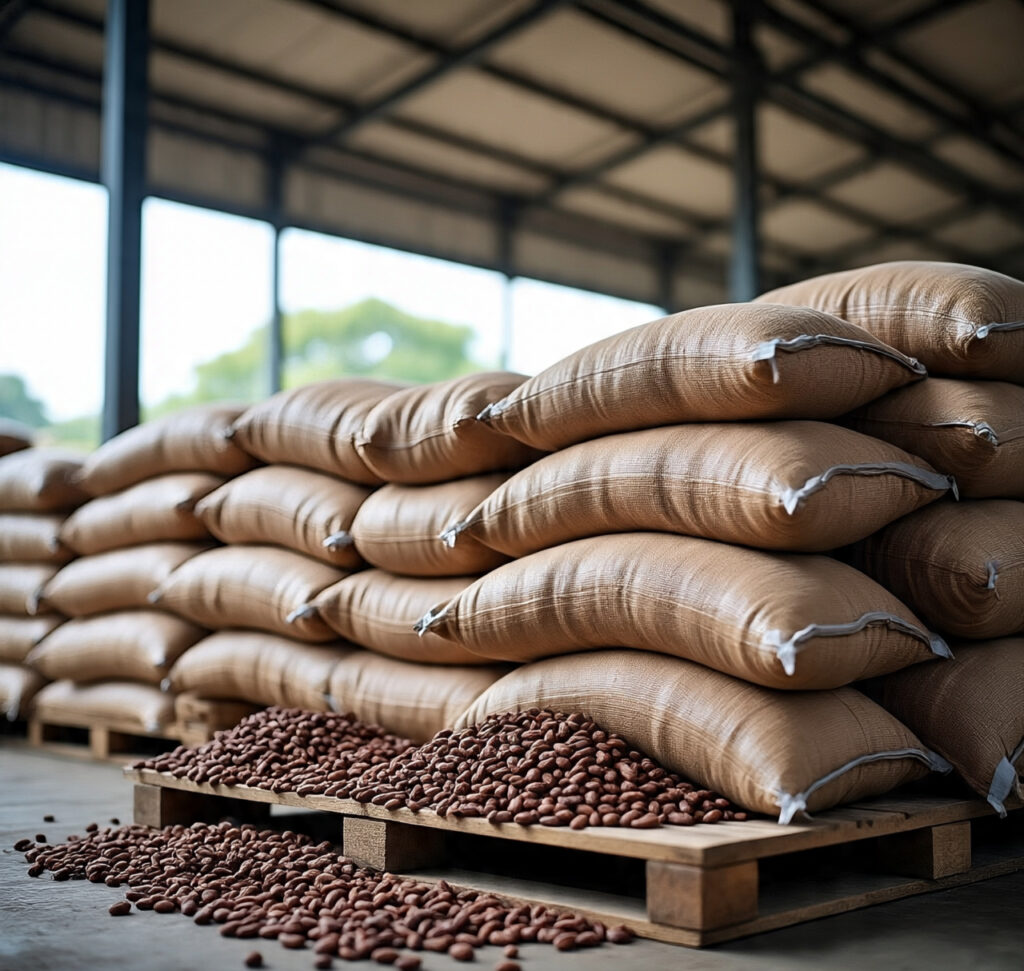
Nutritional Profile (per 100g Cocoa Powder)
-
Energy: ~228 kcal
-
Protein: 20 g
-
Fat: 14 g (mainly cocoa butter, rich in stearic and oleic acids)
-
Carbohydrate: 58 g
-
Dietary Fiber: 33 g
-
Minerals: High in magnesium, iron, calcium, potassium, and zinc
-
Polyphenols: Rich in flavonoids and antioxidants
Grades of Cocoa Export
-
Fine or Flavour Cocoa – high-quality beans with distinctive flavor, used in premium chocolates.
-
Bulk Cocoa – standard cocoa beans traded on the international commodity market.
-
Organic Cocoa – grown without synthetic fertilizers or pesticides, with certification.
-
Fair Trade Cocoa – certified cocoa that ensures ethical sourcing and farmer welfare.
Export Forms & Packaging
-
Cocoa Beans:
-
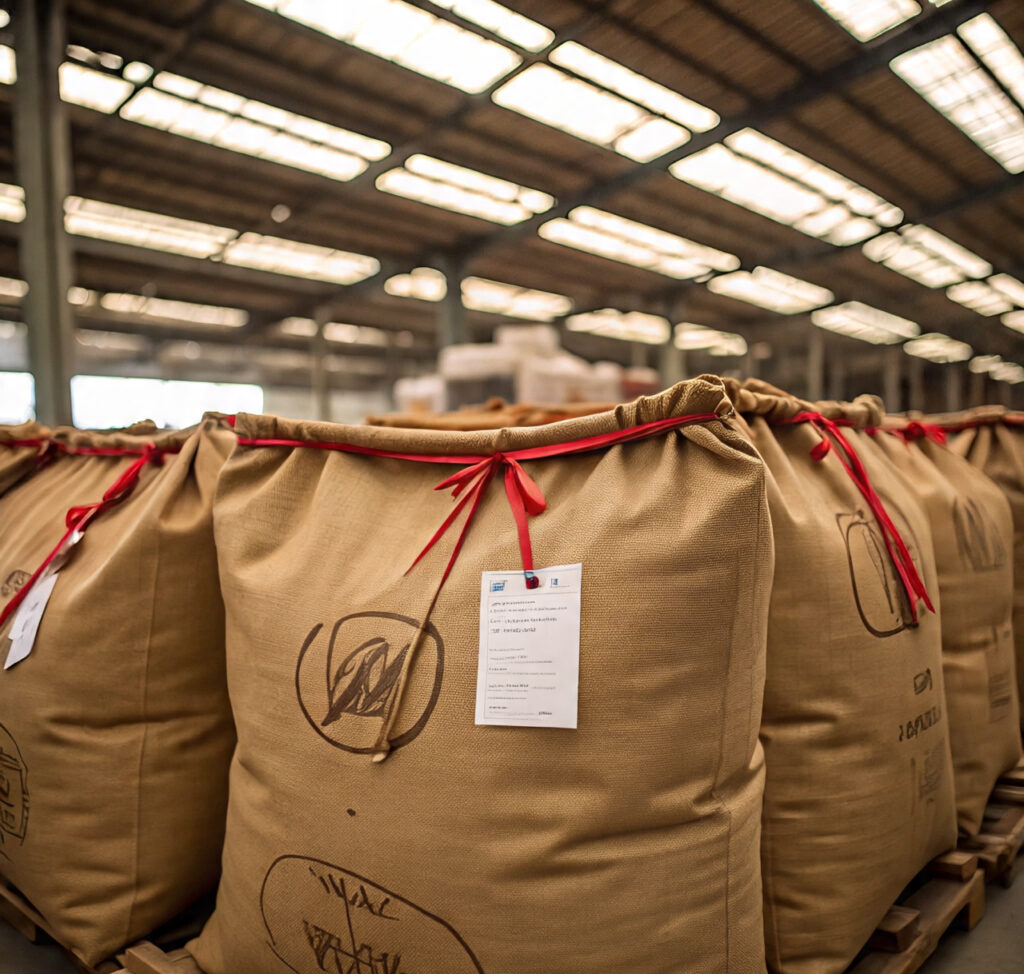
50kg or 65kg jute bags with optional inner polyethylene liners
-
Container capacity:
-
20ft: ~12.5 MT
-
40ft: ~25 MT
-
-
-
Cocoa Powder:
-
25kg kraft paper bags or cartons, shrink-wrapped on pallets
-
Shelf life: up to 24 months
-
-
Cocoa Butter:
-
25kg cartons or blocks wrapped in food-grade paper
-
Used in chocolate, cosmetics, and pharmaceuticals
-
-
Cocoa Liquor/Nibs:
-
Packed in cartons or vacuum-sealed bags for freshness
-
Global Uses
-
Food & Beverages:
-
Chocolate bars, cakes, cookies, ice creams, hot cocoa, energy drinks
-
-
Cosmetics & Personal Care:
-
Cocoa butter used in soaps, lotions, lip balms, moisturizers
-
-
Pharmaceuticals:
-
Polyphenols and flavonoids for heart health, blood circulation, and anti-inflammatory benefits
-
-
Nutraceuticals:
-
Cocoa extracts in supplements and functional foods
-
Quality Assurance
-
Compliance with International Cocoa Standards (ICCO)
-
Strict grading, cleaning, and bagging processes
-
Regular fumigation to prevent infestation during storage
-
Certificates of analysis and phytosanitary certification provided on request
-
Organic, Fair Trade, or Rainforest Alliance certifications available (depending on sourcing)
Export Market Insights
-
Top Importing Regions:
-
Europe (Germany, Netherlands, Belgium, UK, France)
-
North America (USA, Canada)
-
Asia (China, Malaysia, Indonesia, Japan)
-
-
Market Trends:
-
Increasing demand for dark chocolate due to health benefits
-
Growth in organic and fair-trade cocoa products
-
Rising demand in Asia-Pacific for confectionery and beverage industries
-
Trade & Compliance
-
HS Codes:
-
1801 – Cocoa beans, whole or broken, raw or roasted
-
1803 – Cocoa paste
-
1804 – Cocoa butter, fat, oil
-
1805 – Cocoa powder, not containing added sugar
-
1806 – Chocolate and food preparations containing cocoa
-
-
Minimum Order Quantity (MOQ): 10 MT (beans), negotiable for derivatives
-
Delivery Terms: FOB, CIF, CFR available
-
Payment Terms: T/T, L/C at sight, negotiable with buyer
Cocoa is not just a commodity — it is a strategic agricultural product that links global industries, from food to cosmetics to pharmaceuticals.