What It Is
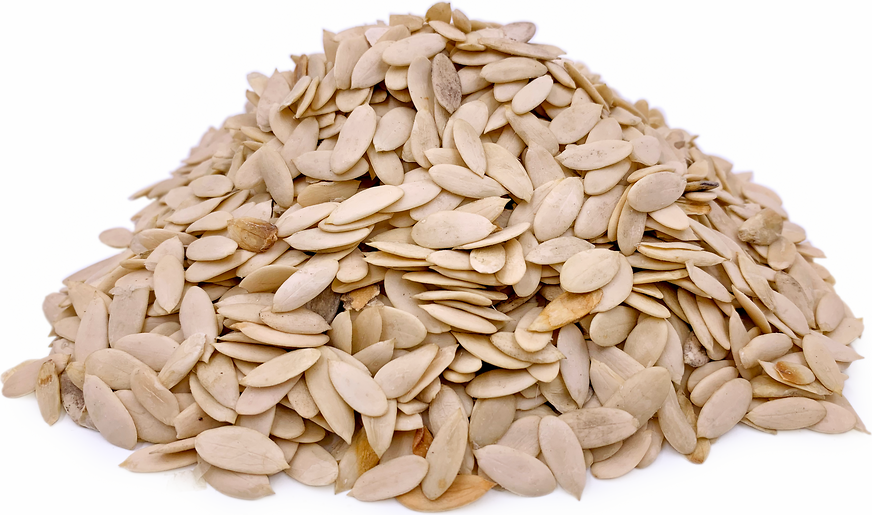
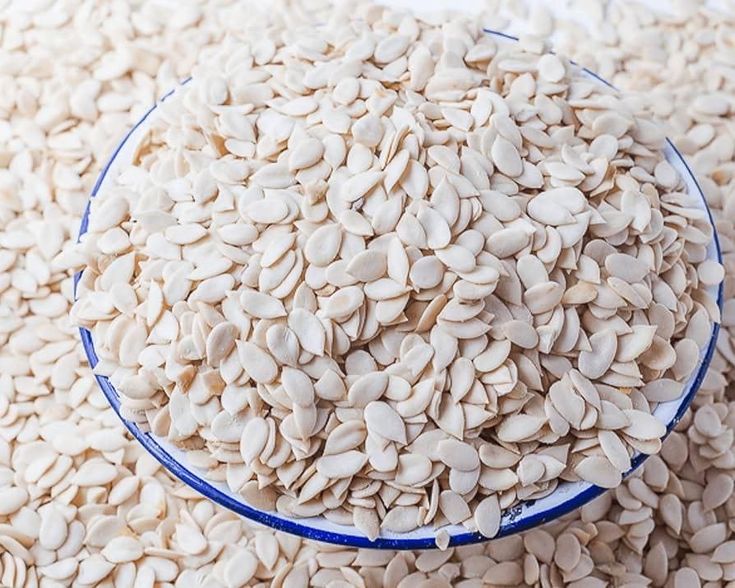
Egusi refers to the seeds of certain cucurbitaceous plants (melon, squash, or gourd family) that are dried and shelled to produce protein-rich edible seeds. These seeds are highly valued in West African cuisine, where they are ground into powder or paste for thickening soups, stews, and sauces. Egusi is also a source of vegetable oil, making it a dual-purpose crop for food and industry.
It is considered a cash crop with growing export demand due to its unique culinary and nutritional value.
Nutritional & Health Benefits
-
High Protein Content (≈ 30%) – aids growth and tissue repair
-
Rich in Healthy Fats (≈ 45%) – source of plant-based oil and energy
-
Packed with Minerals – magnesium, potassium, calcium, iron, and zinc
-
Vitamin-Rich – especially Vitamin A and B-complex
-
Health Uses – supports cardiovascular health, boosts immunity, and aids digestion
Export Specifications
Types Available
-
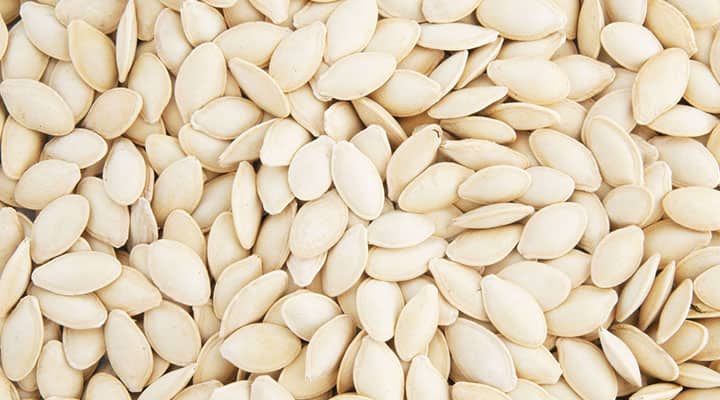
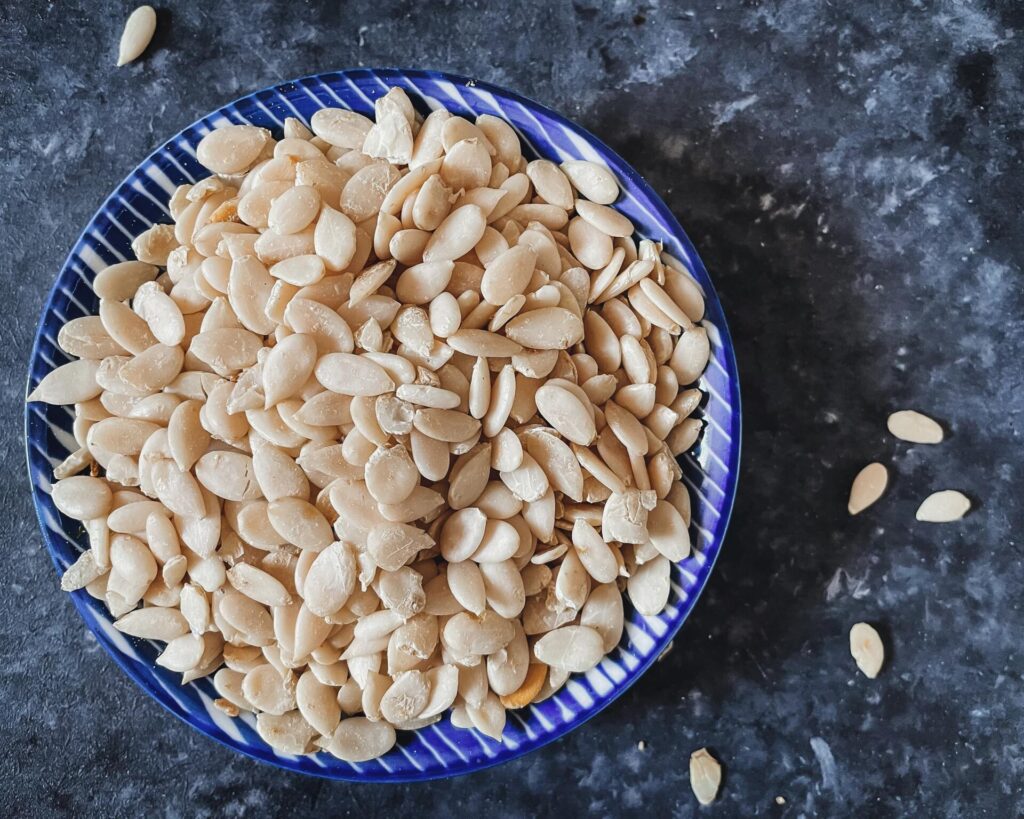
Whole Shelled Egusi Seeds – dried, dehulled seeds for bulk buyers
-
Ground Egusi Powder – finely milled for direct use in cooking
-
Egusi Paste – semi-processed form for ready-to-use food industries
Quality Standards
-
Moisture Content: ≤ 10%
-
Impurities (sand, stones, husk): ≤ 1%
-
Purity: ≥ 98%
-
Oil Content: 40 – 45%
-
Protein Content: 28 – 32%
-
Shelf Life:
-
Whole seeds: 18 – 24 months (dry storage)
-
Ground powder: 12 months (vacuum-sealed)
-
Paste: 6 – 9 months (frozen storage)
-
Packaging Options
-
Polypropylene or jute bags: 25kg, 50kg
-
Retail packs: 1kg, 2kg, 5kg (powder or whole)
-
Vacuum-sealed packaging available on request
Export Information
-
HS Code: 120799 – Other oil seeds and oleaginous fruits, whether broken
-
MOQ (Minimum Order Quantity): 10 MT for bulk export / flexible retail orders
-
Port of Shipment: Lagos (Apapa/Tin Can), Port Harcourt, Warri
-
Delivery Terms: FOB, CIF, CFR
-
Payment Terms: LC, TT, Advance Deposit
Global Market Demand
-
African Diaspora Markets: USA, UK, Canada, France, Germany, Italy
-
Food Processing Industry: Used for making soup thickeners, sauces, and vegetable oil
-
Health & Organic Stores: Marketed as a natural protein and oil-rich seed
-
Export Growth: Rising due to increasing interest in African cuisine and plant-based nutrition
Why Export Egusi?
High Market Value – Premium commodity for African diaspora and ethnic shops
Versatility – Used in food preparation, oil extraction, and animal feed
Nutritional Powerhouse – Competes with other global oil seeds like sunflower and pumpkin seed
Cultural Relevance – Essential in traditional dishes like Egusi soup, melon seed stew, and thick sauces
Culinary & Industrial Uses
-
Household: Ground into soup thickeners for egusi soup, ogbono mix, and stews
-
Food Industry: Used in seasoning cubes, ready-to-eat meals, and oil processing
-
Oil Extraction: Produces edible vegetable oil and animal feed residue
-
Export Retail: Packaged as whole seeds or powder for African food stores abroad
Egusi (Melon Seed) is exported as whole, powdered, or paste forms, with quality packaging tailored for international buyers.