What It Is
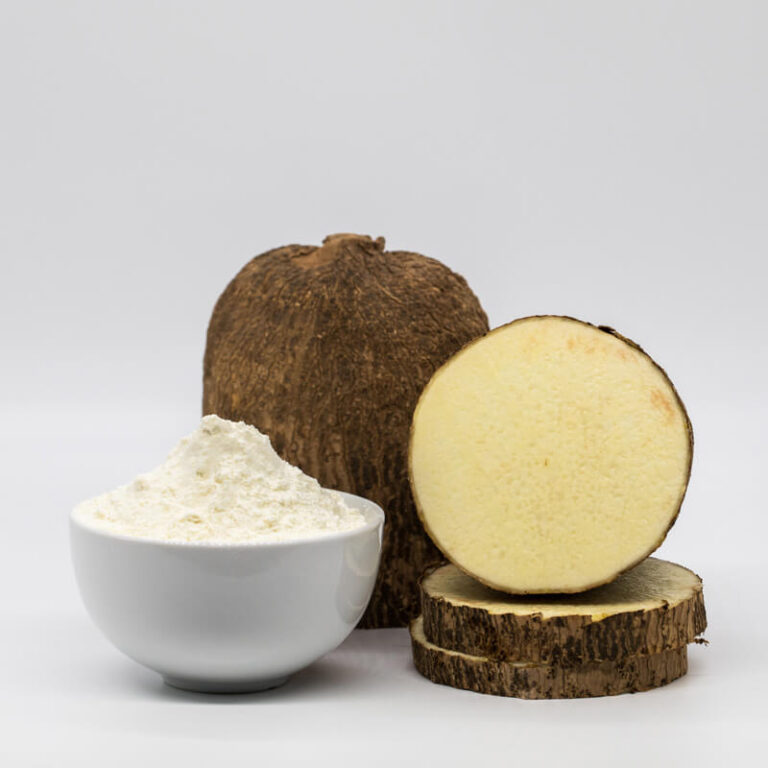
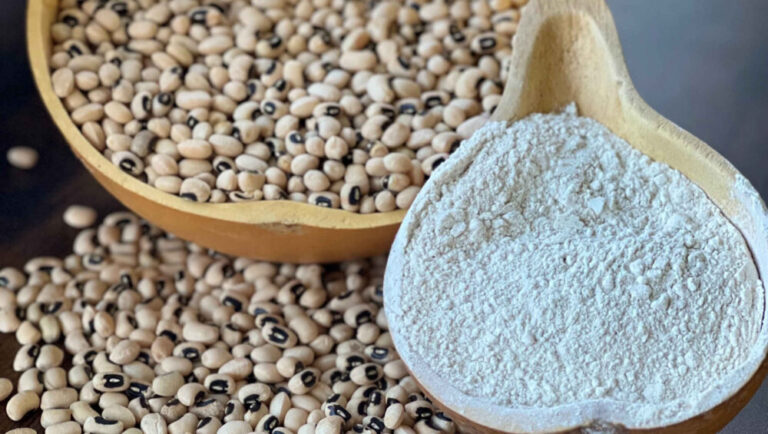
Fufu flour is a processed flour made primarily from cassava, sometimes blended with plantain, cocoyam, or yam. It is a staple food in West and Central Africa, used to prepare fufu, a smooth, stretchy dough eaten with soups and stews.
Unlike raw cassava or yam, fufu flour is easy to prepare by mixing with hot water into a soft, lump-free dough, making it highly convenient for diaspora communities worldwide.
What Export of It Is
Exporting fufu flour involves sourcing cassava tubers (and sometimes plantain or yam), fermenting, drying, milling, and packaging into hygienic retail or bulk packs.
It is in high demand among African, Caribbean, and Afro-American communities abroad, particularly in the UK, USA, Canada, Europe, and the Middle East. Exporters must ensure compliance with international food safety standards (FDA, EFSA, HACCP, Codex Alimentarius) to penetrate mainstream supermarkets and ethnic stores.
Uses of Fufu Flour
-
Culinary Uses:
-
Preparation of fufu (when stirred in hot water until smooth).
-
Can be mixed with yam flour or plantain flour for variety.
-
-
Nutritional Value:
-
High in carbohydrates (energy-rich).
-
Source of fiber, potassium, magnesium, and vitamin C.
-
Gluten-free, suitable for celiac and special diets.
-
-
Cultural Significance:
-
Staple food in many African households, often eaten daily.
-
Specifications for Export
Physical & Chemical Specifications
-
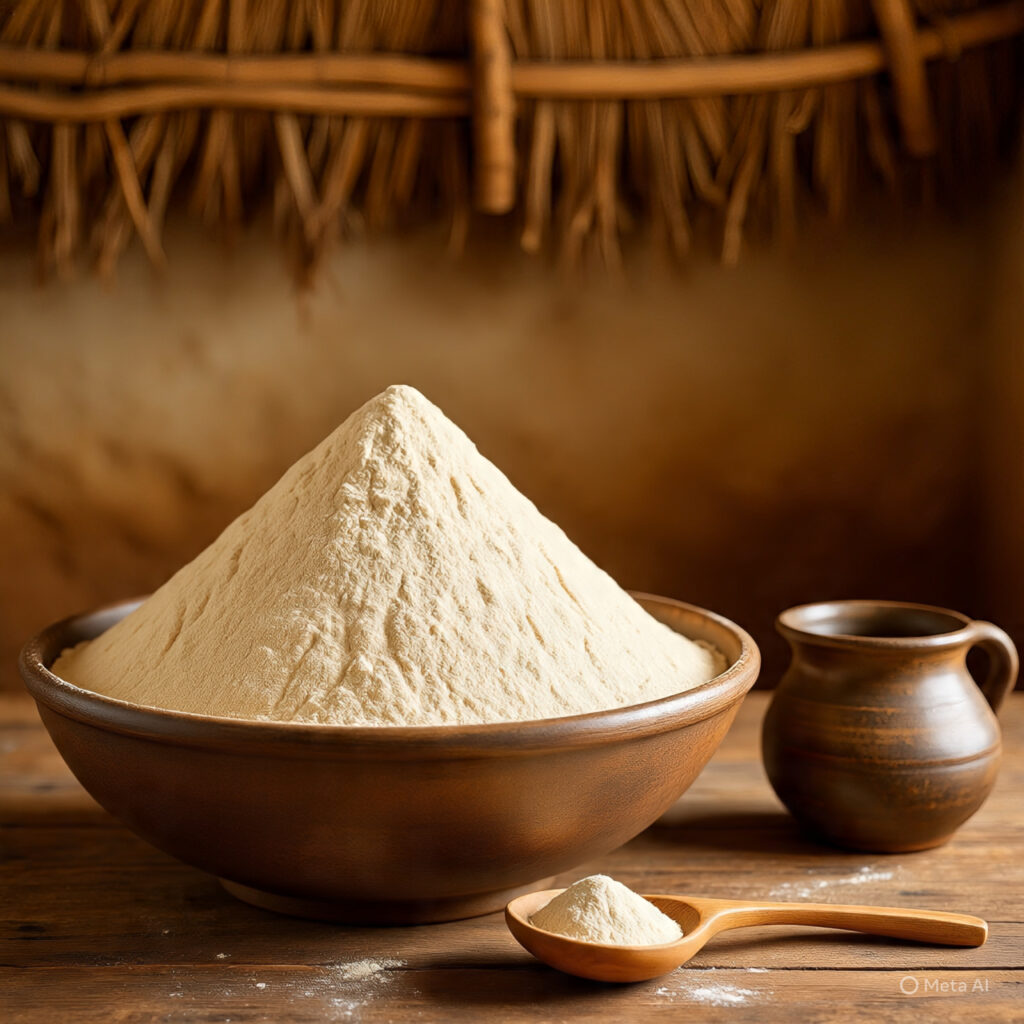
Appearance: Smooth, fine, off-white to slightly yellow powder.
-
Moisture Content: ≤ 12%.
-
Ash Content: ≤ 3%.
-
Particle Size: 100–200 microns.
-
Taste & Odor: Slightly sour (fermented note), natural cassava flavor, no musty odor.
-
Nutritional Content (per 100g):
-
Energy: ~370 kcal
-
Carbohydrates: 80–85g
-
Protein: 1–3g
-
Fat: 1–2g
-
Fiber: 2–4g
-
Quality Standards
-
Free from foreign matter (sand, stones, husk).
-
No mold, aflatoxins, or chemical contamination.
-
Must comply with Codex standards for cassava flour and starches.
Packaging Options
-
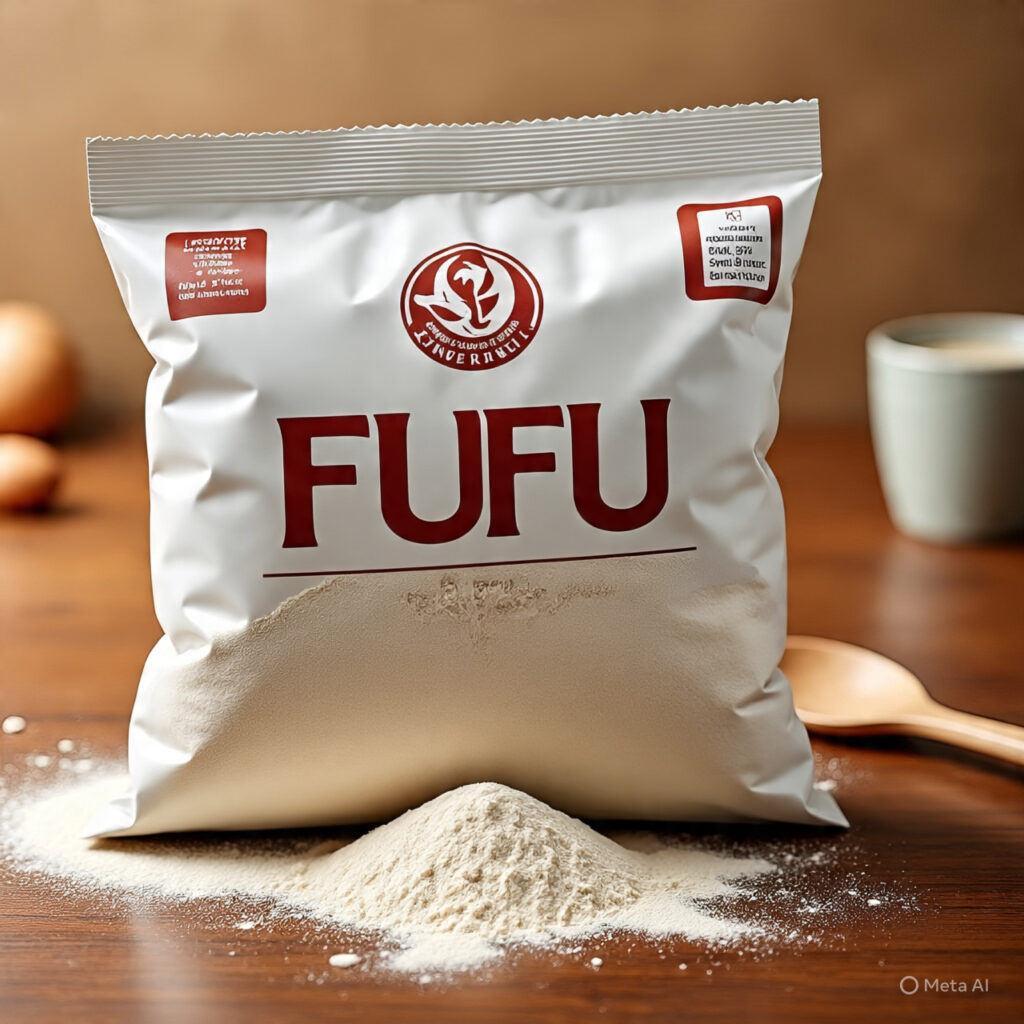
Retail Packaging:
-
500g, 1kg, 2kg, and 5kg laminated polythene bags or pouches.
-
Clearly labeled with cooking instructions, nutritional values, and shelf life.
-
-
Bulk Packaging:
-
25kg or 50kg woven polypropylene sacks with inner polyethylene lining.
-
Labeling Requirements:
-
Product name (“Fufu Flour”)
-
Botanical source (Manihot esculenta – cassava)
-
Net weight
-
Batch number
-
Manufacturing & expiry date
-
Storage instructions
-
Country of origin
HS Code
-
1901.90 – Preparations of flour, meal, starch, or malt extract (including fufu flour).
Export Form
-
Bulk fufu flour (25–50kg bags).
-
Retail packaged flour (500g–5kg branded packs).
Price Range (FOB International Market)
-
Bulk fufu flour (25–50kg bags): $850 – $1,100 per metric ton.
-
Retail fufu flour (1kg–5kg packs): $2.5 – $5 per kg depending on brand, quality, and market.
Top Import Destinations
-
United Kingdom & Ireland – highest demand due to Nigerian, Ghanaian, and Ivorian diaspora.
-
United States & Canada – stocked in African, Caribbean, and mainstream supermarkets.
-
Europe (Germany, France, Netherlands, Italy) – steady growth in African and Caribbean communities.
-
Middle East (UAE, Qatar, Saudi Arabia) – increasing demand in expatriate food markets.
Conclusion
Fufu flour is one of the most commercially viable African flours due to its convenience, long shelf life, and global cultural significance. Exporters who focus on quality processing, attractive packaging, and compliance with food regulations can access both ethnic and mainstream food markets worldwide.