What It Is
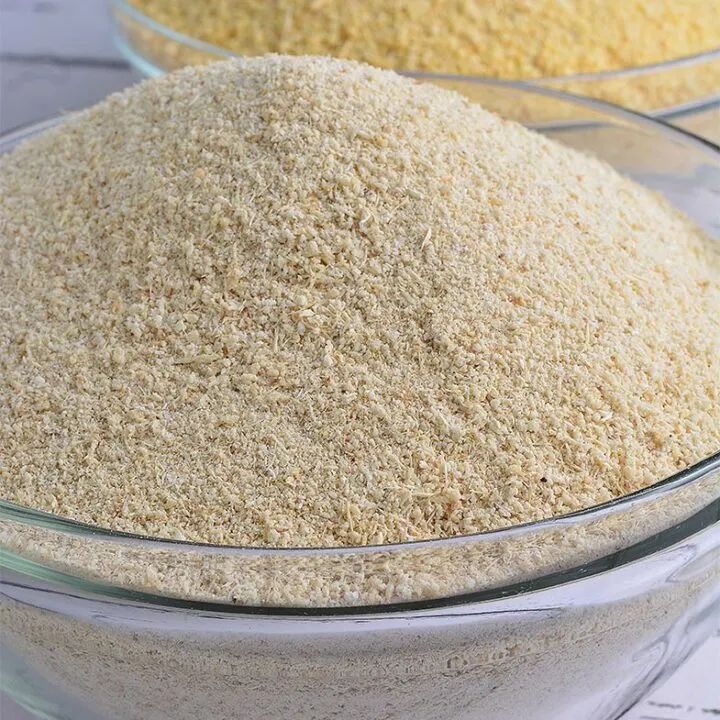
Garri is a granulated flour-like food product made from fermented and roasted cassava tubers (Manihot esculenta). It is one of the most widely consumed staple foods in Africa, known for its versatility, long shelf life, and affordability.
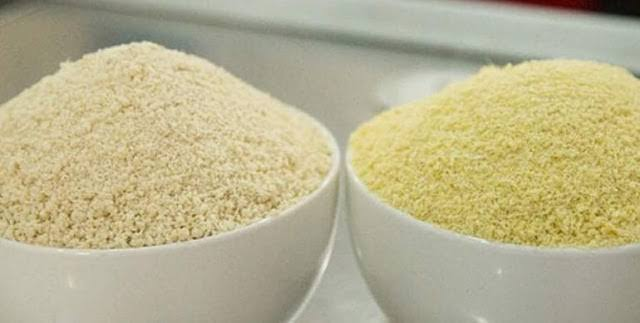
Garri comes in two main types:
-
White Garri – made from cassava with little or no palm oil.
-
Yellow Garri – made by adding palm oil during processing, giving it a golden-yellow color.
The product is consumed in various ways: soaked in water with sugar, groundnut, and milk as a snack, or made into a stiff dough (eba) eaten with soups and stews.
What Export of It Is
The export of garri involves sourcing high-quality cassava roots, peeling, fermenting, dewatering, roasting, sieving, and packaging under hygienic conditions for international markets.
Garri is in high demand among the African, Caribbean, and Afro-American diaspora communities, especially in the UK, USA, Canada, Europe, and the Middle East. Exporters must ensure compliance with international food safety certifications (FDA, EFSA, HACCP, Codex Alimentarius) and package the product in export-friendly, moisture-proof packs.
Uses of Garri
-
Culinary Uses:
-
Soaked in water (commonly with sugar, milk, or groundnut).
-
Cooked into Eba (swallow) to be eaten with soups like egusi, okra, or vegetable soup.
-
Used as a base for some pastries, puddings, and baby foods.
-
-
Nutritional Value:
-
Energy-rich (high carbohydrate content).
-
Contains dietary fiber, iron, and potassium.
-
Gluten-free and easily digestible.
-
-
Cultural Significance:
-
A household staple in West African homes.
-
Comfort food for many African communities abroad.
-
Specifications for Export
Physical & Chemical Specifications
-
Appearance: Granulated, coarse to fine texture (white or yellow).
-
Moisture Content: ≤ 12%.
-
Ash Content: ≤ 3%.
-
Grain Size: 0.6 – 1.2mm (depending on sieving).
-
Taste & Odor: Slightly sour (fermented note), roasted flavor, no musty odor.
-
Nutritional Content (per 100g):
-
Energy: ~360 kcal
-
Carbohydrates: 80–85g
-
Protein: 1–2g
-
Fat: 1–2g
-
Fiber: 2–4g
-
Quality Standards
-
Free from sand, stones, or foreign matter.
-
Free from mold, aflatoxins, and chemical preservatives.
-
Must meet Codex standards for cassava-derived products.
Packaging Options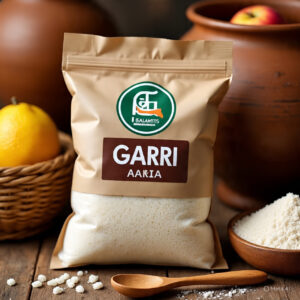
-
Retail Packaging:
-
500g, 1kg, 2kg, and 5kg laminated polythene or nylon bags.
-
Branded packs with cooking instructions, nutritional info, and shelf life.
-
-
Bulk Packaging:
-
25kg or 50kg woven polypropylene sacks with polyethylene liners.
-
Labeling Requirements:
-
Product name (“Garri” – White or Yellow).
-
Botanical source (Manihot esculenta – cassava).
-
Net weight.
-
Batch number.
-
Manufacturing & expiry date.
-
Storage instructions.
-
Country of origin.
HS Code
-
1903.00 – Tapioca and substitutes prepared from starch (includes garri).
Export Form
-
White garri (bulk or retail).
-
Yellow garri (bulk or retail).
Top Import Destinations
-
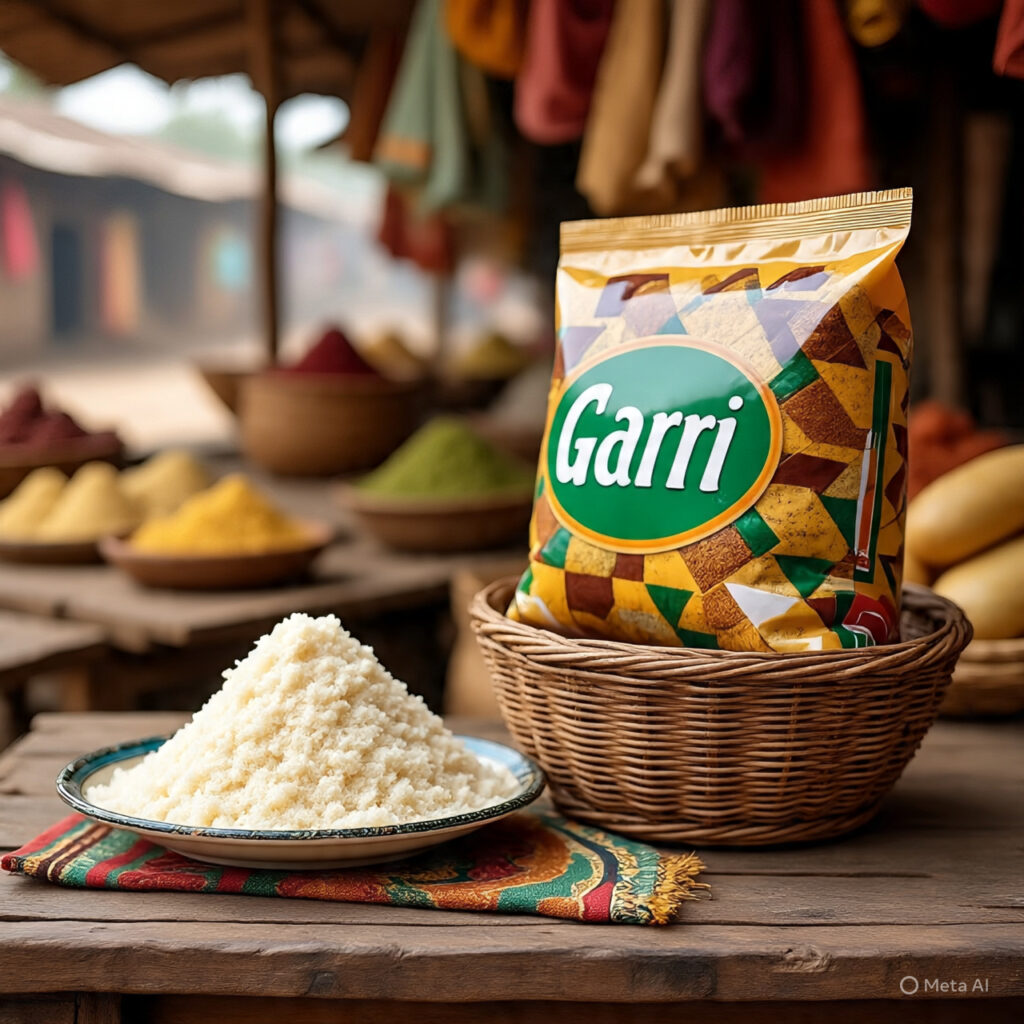
United Kingdom & Ireland – highest demand due to Nigerian and Ghanaian diaspora.
-
United States & Canada – stocked in African, Caribbean, and international food stores.
-
Europe (Germany, Italy, Netherlands, France) – growing demand among expatriate communities.
-
Middle East (UAE, Qatar, Saudi Arabia) – strong consumption among expatriates.
Conclusion
Garri is one of the most commercially viable African staple foods because of its versatility, affordability, and cultural importance. Exporters who focus on quality production, attractive packaging, and compliance with international food standards can penetrate both ethnic and mainstream food markets worldwide.