What it is
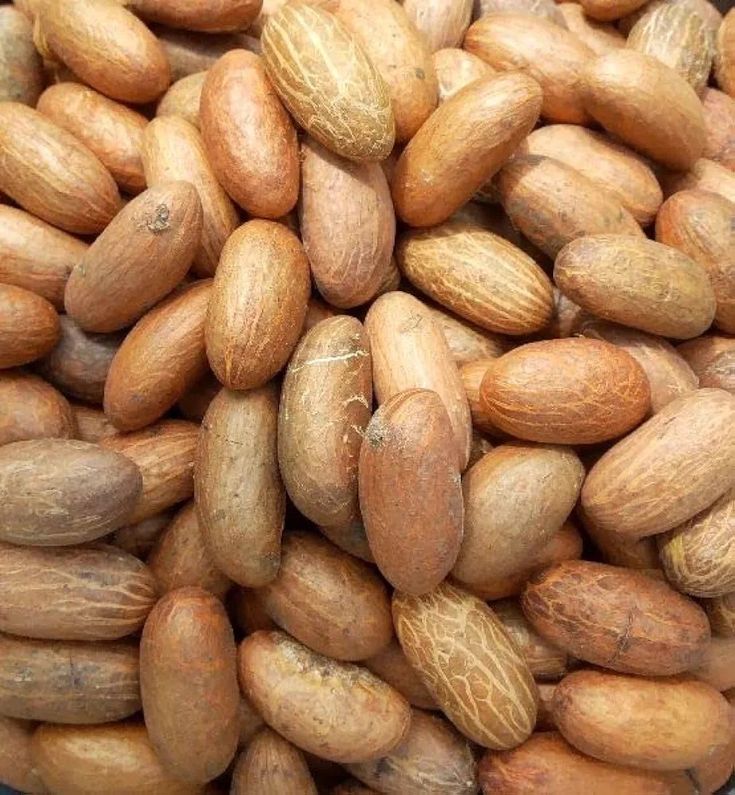
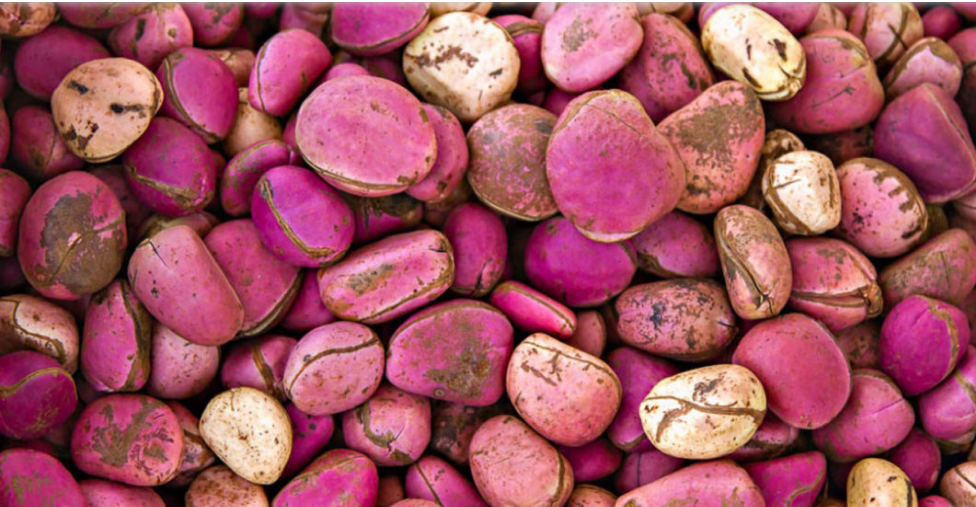
Kola nut (Cola nitida and Cola acuminata) is the caffeine-rich seed of the kola tree, widely grown in tropical regions. The nut has a bitter flavor that becomes sweeter with chewing, and it is traditionally known as a natural stimulant. Kola nuts are highly valued for their medicinal, cultural, and industrial uses, particularly in the pharmaceutical and beverage industries.
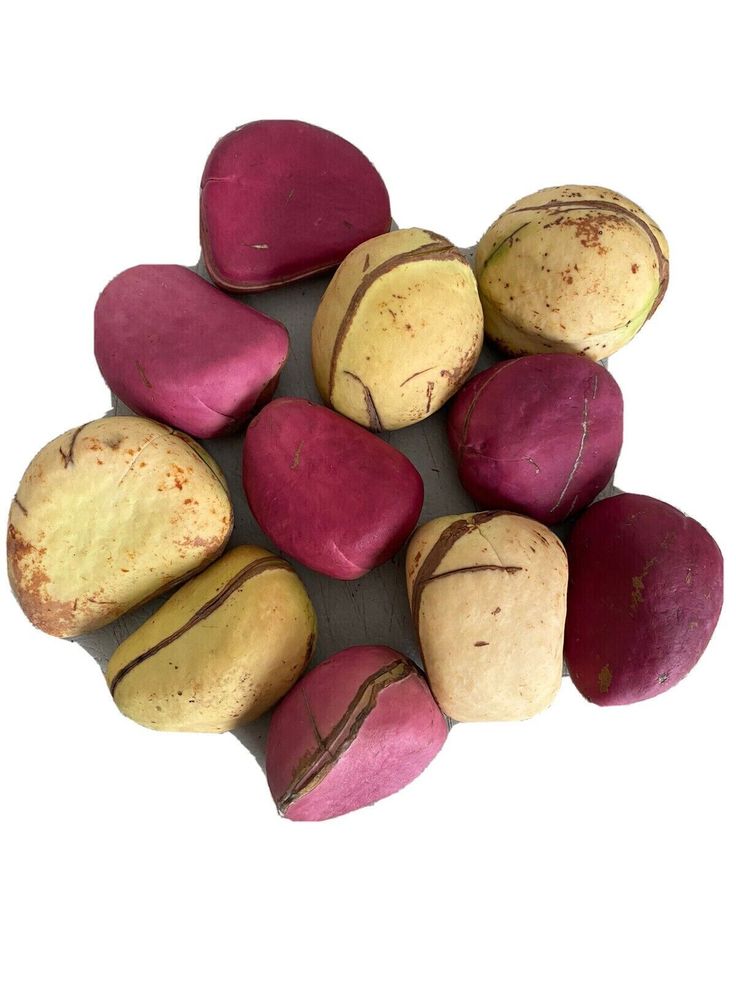
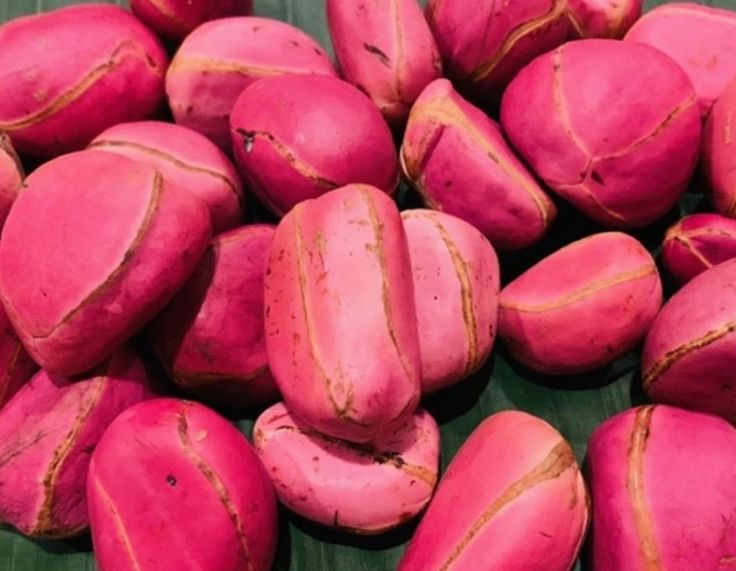
The nut is usually 2–5 cm in diameter, with colors ranging from white, pink, to reddish-brown, depending on the variety. It contains caffeine (2–4%), theobromine, tannins, and polyphenols which give it its stimulating properties.
What export of it is
Kola nut export involves:
-
Harvesting: Picking mature nuts from healthy kola trees.
-
Processing: Sorting, curing, and drying to reduce moisture.
-
Grading: Categorized by size, color, and quality.
-
Packaging: Packed in well-ventilated bags or cartons with moisture control.
-
Logistics: Exported either fresh (air freight) or dried (sea freight) depending on buyer requirements.
Exporters must comply with international food safety and phytosanitary standards, ensuring nuts are free from pests, diseases, and excess moisture.
Specifications for Export
| Feature | Specification |
|---|---|
| Product Name | Kola Nut (Cola nitida / Cola acuminata) |
| Form | Fresh nuts / Dried nuts / Powder |
| Size | 2–5 cm diameter |
| Moisture Content | ≤ 10% for dried form |
| Color | White, pink, or reddish-brown |
| Odor & Taste | Characteristic bitter taste, aromatic when chewed |
| Active Components | Caffeine (2–4%), Theobromine, Tannins, Alkaloids |
| Shelf Life | Fresh: 4–6 weeks (under cool conditions) / Dried: 12–18 months |
| Packaging Options | 25kg / 50kg jute bags, ventilated cartons, fiber drums, vacuum-sealed packs |
| Storage Condition | Dry, cool, well-ventilated space away from direct sunlight |
| HS Code | 0802.90 – Other nuts, fresh or dried |
Uses of Kola Nut
-
Pharmaceutical & Industrial Uses
-
Ingredient in stimulant formulations due to high caffeine content.
-
Used in energy tonics, slimming products, and herbal medicine.
-
Extracts are utilized in nutraceuticals and dietary supplements.
-
-
Food & Beverage Industry
-
Historically used as a main ingredient in cola soft drinks.
-
Natural flavoring agent in traditional and modern beverages.
-
Chewed raw as a stimulant and appetite suppressant.
-
-
Cultural & Social Importance
-
Symbol of respect, peace, and unity in traditional ceremonies, marriages, and festivals.
-
Widely exchanged as a gift of honor across many African and diaspora communities.
-
Packaging & Export Form
-
Fresh Nuts: Exported by air freight in ventilated cartons with moisture control.
-
Dried Nuts: Sun-dried or oven-dried, commonly exported in bulk.
-
Powdered Form: Exported in sealed pouches or fiber drums for pharmaceutical/industrial use.
Packaging materials include:
-
Jute bags (25kg / 50kg) with polythene inner lining.
-
Cartons or fiber drums for smaller or processed quantities.
-
Vacuum-sealed packs for premium retail export.
Market Demand & Export Potential
-
High Demand Regions: Europe (UK, Germany, France), North America (USA, Canada), Middle East, and Asia.
-
End-Users: Pharmaceutical companies, beverage producers, food processors, and cultural communities.
-
Market Trend: Growing interest in natural stimulants and organic products, with kola nut extracts gaining more applications in functional beverages and supplements.
Export Documentation Required
-
Commercial Invoice
-
Packing List
-
Certificate of Origin
-
Phytosanitary Certificate
-
Bill of Lading / Airway Bill
-
Export License (if required by exporting country)
✅ With its industrial, cultural, and medicinal value, kola nut remains a high-potential export commodity, offering both bulk trade opportunities and niche premium markets abroad.