What It Is
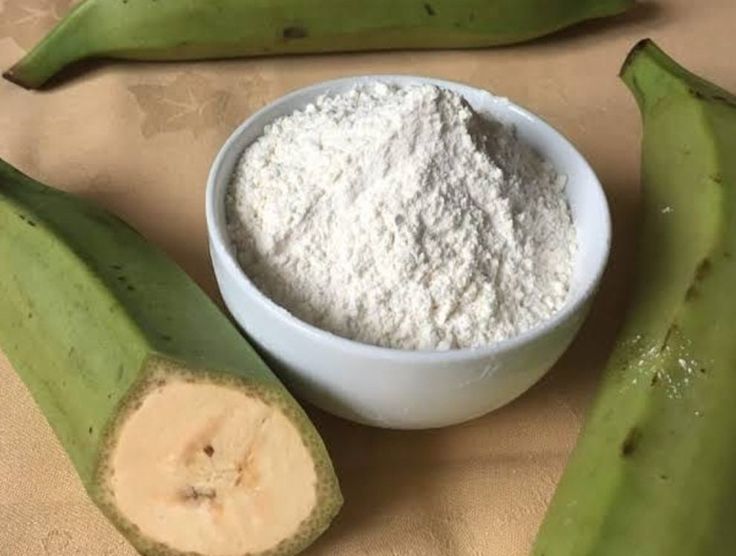
Plantain flour is a fine powder produced from dried, unripe green plantains (Musa paradisiaca). It is a nutrient-rich, gluten-free alternative to wheat flour, increasingly popular in both traditional African cuisines and modern health-conscious diets.
Plantain flour is smooth, light cream to off-white in color, with a mild flavor that makes it suitable for both traditional foods like swallow (e.g., amala-like dough) and modern baking (bread, pancakes, cakes, cookies).
What Export of It Is
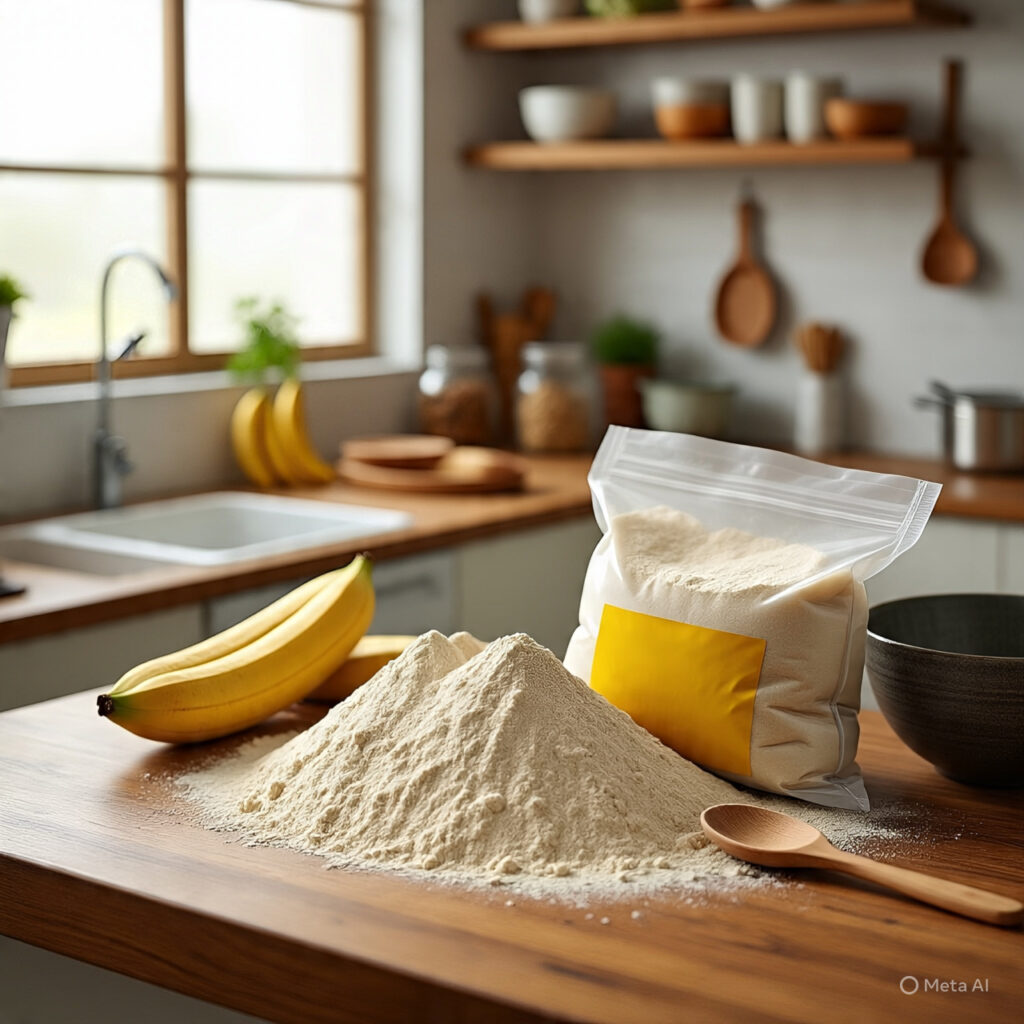
Exporting plantain flour involves sourcing fresh unripe plantains, slicing, drying under hygienic conditions, milling into fine powder, and packaging for retail or bulk markets.
Demand is strong among the African and Caribbean diaspora as well as the health and wellness industry in Europe, the US, and Asia due to its gluten-free, high-fiber, and diabetic-friendly profile. Exporters must comply with international food safety certifications (FDA, EFSA, HACCP, Codex standards) and ensure product consistency.
Uses of Plantain Flour
-
Culinary Uses:
-
Swallow (boiled into dough eaten with soups).
-
Baking ingredient in bread, muffins, pancakes, and cookies.
-
Thickening soups, sauces, and baby foods.
-
-
Nutritional Value:
-
High in resistant starch – helps regulate blood sugar.
-
Rich in potassium, iron, magnesium, and dietary fiber.
-
Gluten-free, making it suitable for celiac and diabetic diets.
-
-
Health Benefits:
-
Aids digestion.
-
Supports heart health.
-
Provides energy for athletes and growing children.
-
Specifications for Export
Physical & Chemical Specifications
-
Appearance: Smooth, fine cream-colored powder.
-
Moisture Content: ≤ 10%.
-
Ash Content: ≤ 3%.
-
Particle Size: 100–200 microns.
-
Taste & Odor: Mild, natural plantain taste, free from sourness.
-
Nutritional Content (per 100g):
-
Energy: ~365 kcal
-
Carbohydrates: 80g
-
Protein: 3–5g
-
Fat: 1–2g
-
Fiber: 6–8g
-
Potassium: ~400mg
-
Quality Standards
-
Free from foreign matter and contaminants.
-
No chemical additives unless specified.
-
Must meet Codex Alimentarius, ISO 22000, and HACCP standards.
Packaging Options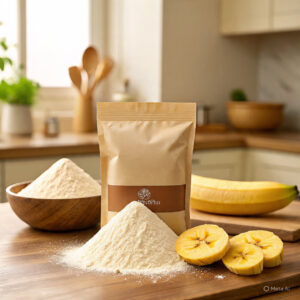
-
Retail Packaging:
-
500g, 1kg, 2kg, and 5kg laminated polythene or nylon bags.
-
Printed with nutritional facts, cooking instructions, and shelf life.
-
-
Bulk Packaging:
-
25kg or 50kg woven polypropylene sacks with polyethylene liners.
-
Labeling Requirements:
-
Product name: “Plantain Flour”
-
Botanical name (Musa paradisiaca)
-
Net weight
-
Batch number
-
Manufacturing & expiry date
-
Storage instructions
-
Country of origin
HS Code
-
1106.20 – Flour, meal, and powder of roots or tubers (including plantains).
Export Form
-
Bulk plantain flour (25–50kg bags).
-
Retail packaged flour (500g–5kg branded packs).
Top Import Destinations
-
United Kingdom & Ireland – large African and Caribbean population.
-
United States & Canada – demand in health food stores and African shops.
-
Europe (Germany, France, Netherlands, Italy) – growing health-conscious consumer base.
-
Middle East (UAE, Qatar, Saudi Arabia) – steady demand from expatriates.
-
Asia (China & Japan) – increasing adoption in gluten-free diets.
Conclusion
Plantain flour is one of the fastest-growing export food items due to its dual appeal: cultural significance in African cuisine and rising global demand as a superfood. Exporters who focus on quality control, attractive retail packaging, and compliance with food safety regulations can successfully position plantain flour in both ethnic food markets and mainstream health food markets.