What It Is
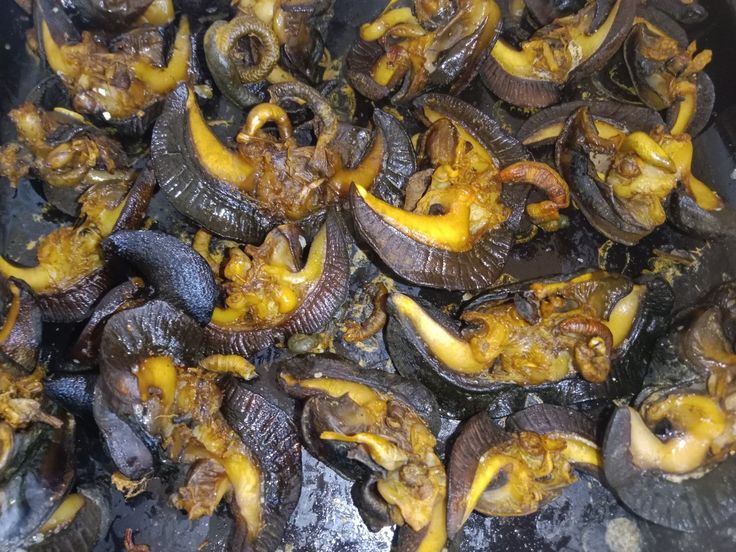
Snails (Helix aspersa, Achatina achatina, Archachatina marginata) are soft-bodied, edible mollusks consumed as a delicacy worldwide. They are rich in protein, iron, calcium, phosphorus, and essential amino acids, while being very low in fat and cholesterol.
Snail meat, commonly known as “escargot” in gourmet cuisine, is especially popular in Europe, North America, and Asia. The export of snails can be in live, fresh, frozen, dried, or processed forms, depending on buyer requirements.
What Export of It Is
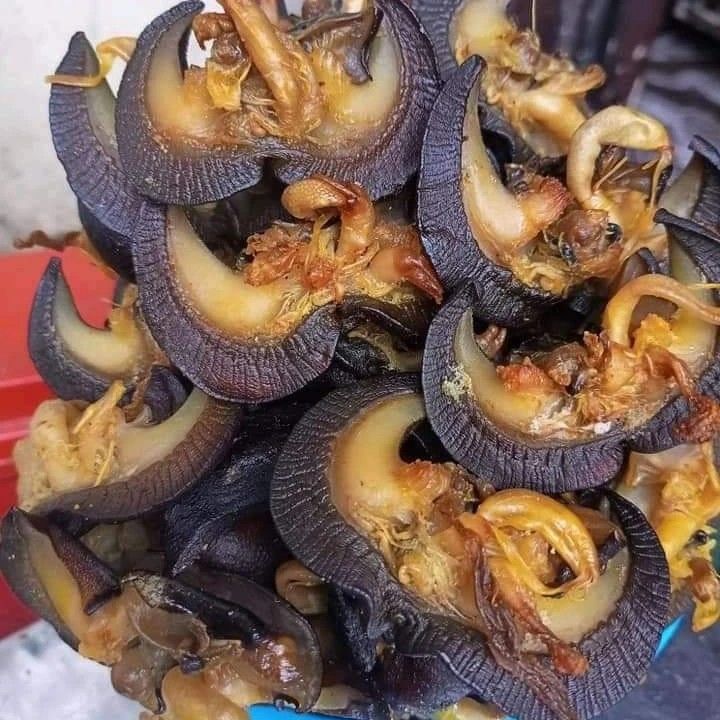
The export of snails involves sourcing from farms or wild collection, processing under hygienic conditions, and packaging in export-ready forms while complying with international food safety regulations.
Exporters typically supply to restaurants, gourmet food stores, supermarkets, and pharmaceutical industries, where snails are in high demand for their nutritional and medicinal benefits.
Uses of Snails
-
Culinary:
-
A high-class delicacy in French, Italian, Spanish, and African cuisines.
-
Used in soups, sauces, grilled dishes, and gourmet recipes.
-
-
Nutritional:
-
High in protein, vitamins A, E, and B12.
-
Rich in omega-3 fatty acids, calcium, magnesium, and selenium.
-
-
Pharmaceutical & Cosmetics:
-
Snail slime (mucin) is used in skincare products for anti-aging and wound healing.
-
Snail shell powder is used in animal feed and traditional medicine.
-
Specifications for Export
Forms & Standards
-
Live Snails:
-
Active, healthy, uniform size.
-
Free from cracks or shell damage.
-
Packed in ventilated containers.
-
-
Frozen Snails:
-
Cleaned, gutted, and frozen at -18°C.
-
No preservatives or additives.
-
Packed in vacuum-sealed bags.
-
-
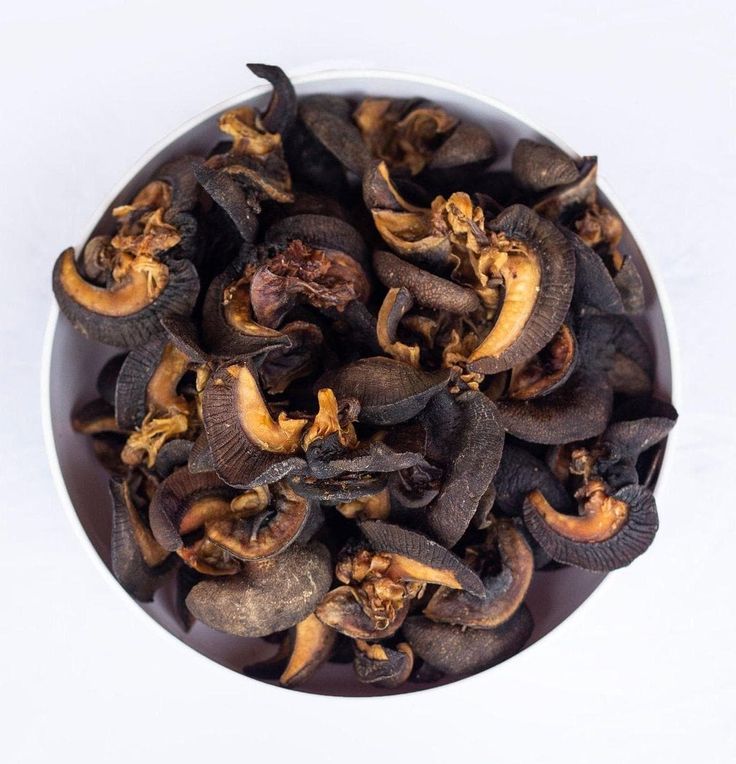
Dried Snails:
-
Moisture content ≤ 10%.
-
Whole or cut pieces.
-
Free from foreign matter.
-
-
Processed Snails (Canned):
-
Packed in brine or sauces.
-
Shelf life: 12–24 months.
-
Microbiological Standards (for EU/US market):
-
Salmonella: Absent
-
E. coli: < 10 CFU/g
-
Listeria: Absent
Packaging Options
-
Live snails: Wooden or ventilated plastic crates.
-
Frozen/dried snails: Vacuum packs (500g, 1kg, 5kg).
-
Canned snails: Metal tins (400g, 800g) in cartons.
All packages must include labels with:
-
Product name
-
Weight & net content
-
Storage conditions
-
Batch number
-
Expiry date
-
Country of origin
HS Code
-
0307.60 – Snails, live, fresh, chilled, frozen, dried, salted, or in brine.
-
1605.40 – Prepared or preserved snails.
Export Form
-
Live snails
-
Frozen snails (whole or meat)
-
Dried snails
-
Canned/processed snails
-
Snail slime (cosmetic & pharmaceutical industry)
Top Import Destinations
-
France, Spain, Italy, Belgium – largest consumers of escargot.
-
United States & Canada – high demand among restaurants and ethnic markets.
-
China, South Korea, Japan – growing demand for snail meat and slime.
-
Middle East – strong culinary and medicinal market.
Conclusion: Snail export is a high-value agribusiness opportunity with multiple income streams (meat, slime, shells). Exporters who comply with international food safety standards, maintain cold chain logistics, and offer attractive packaging can access premium markets in Europe, North America, and Asia.