What It Is
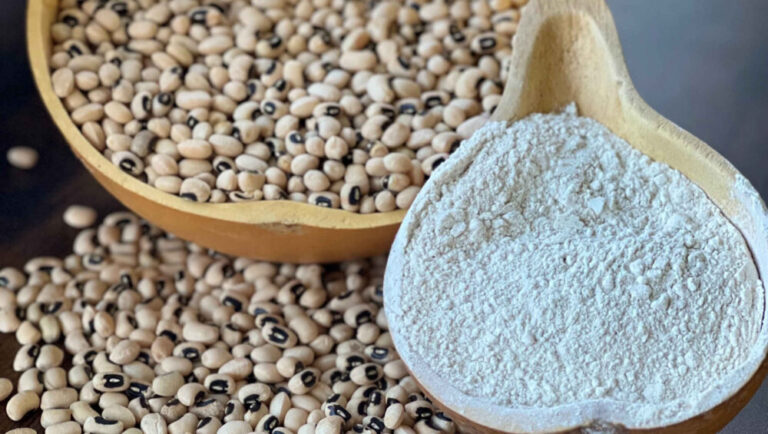
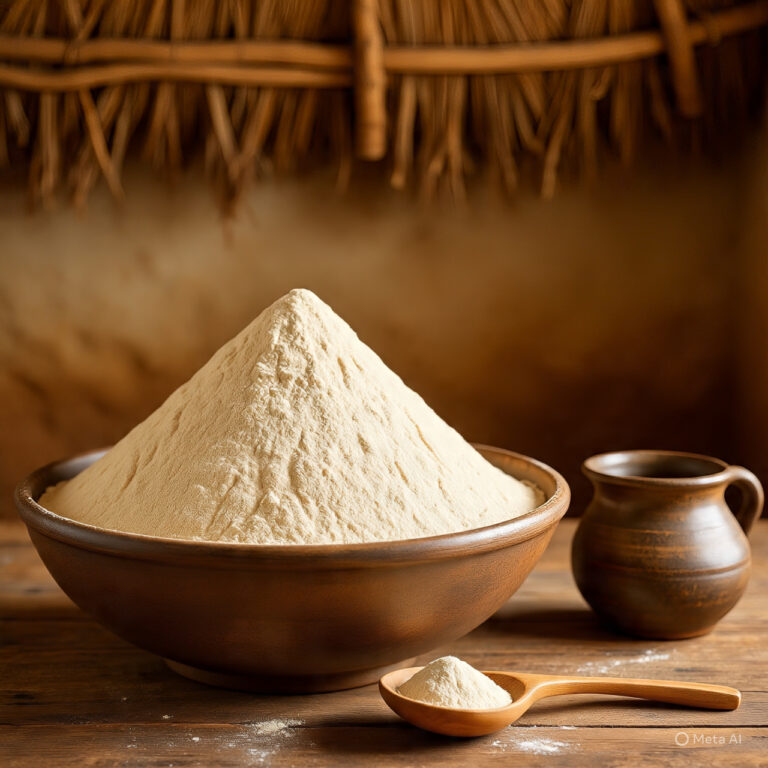
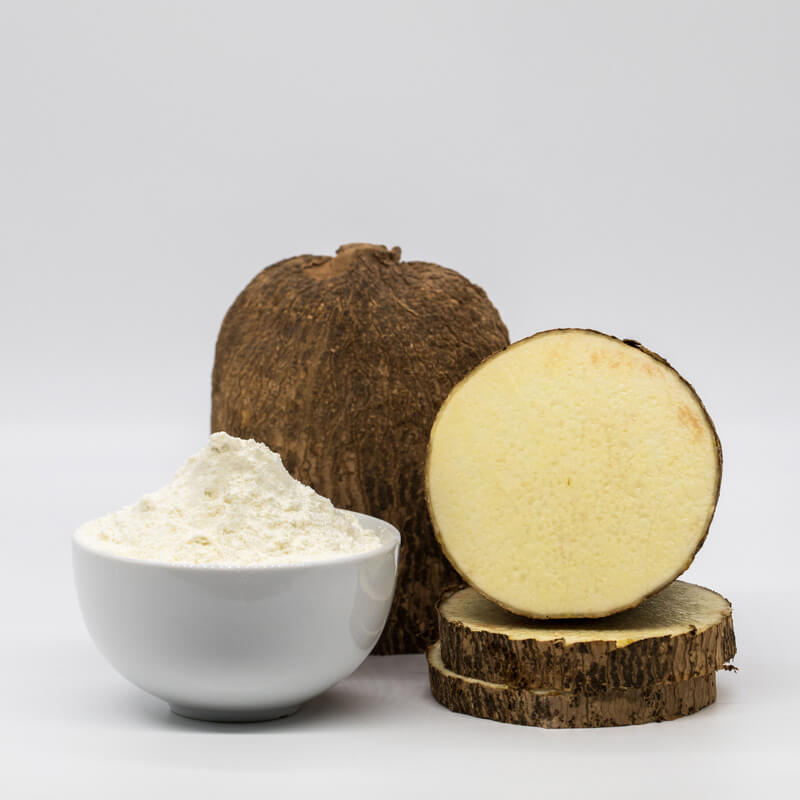
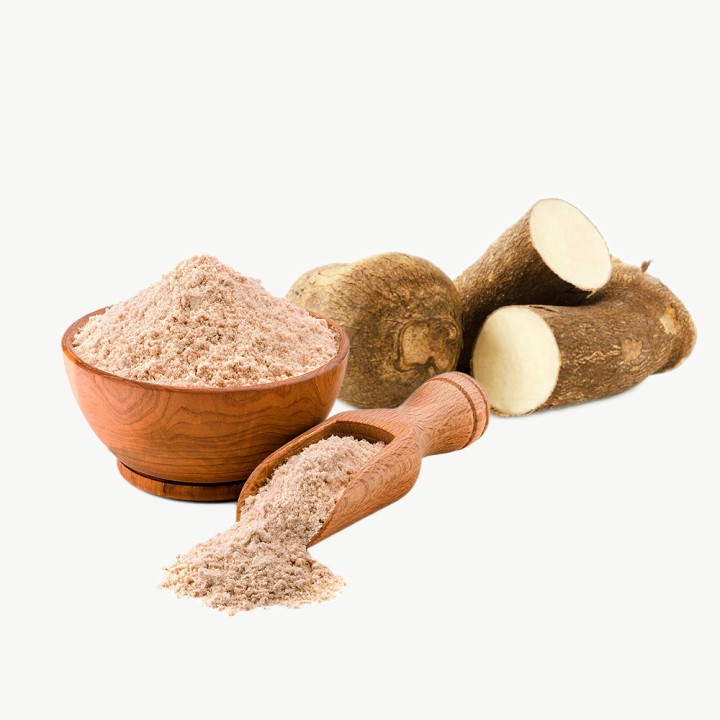
Yam flour is a fine powder obtained from processing dried yams (Dioscorea spp.). It is one of the most important African staple foods, widely consumed in Nigeria, Ghana, and across the diaspora. Yam flour is primarily used in preparing “Amala”, a popular Nigerian delicacy.
The flour is produced by peeling, slicing, parboiling (optional), drying, and milling yam tubers into powder. The resulting product is off-white to brownish, depending on yam variety and processing methods.
What Export of It Is
Exporting yam flour involves sourcing high-quality yams, processing under hygienic standards, milling into fine flour, and packaging in export-grade bags or sachets.
There is strong international demand for yam flour among the African, Caribbean, and Afro-American communities in the UK, USA, Canada, Europe, and the Middle East. Exporters must meet food safety standards (FDA, EU regulations, NAFDAC, HACCP) and ensure products are free from mold, aflatoxins, and contaminants.
Uses of Yam Flour
-
Culinary Uses:
-
Preparation of Amala, fufu, and other traditional dishes.
-
Used as a thickening agent in soups and stews.
-
-
Nutritional Value:
-
Rich in carbohydrates for energy.
-
Contains dietary fiber, potassium, and vitamin C.
-
Gluten-free, making it suitable for special diets.
-
Specifications for Export
Physical & Chemical Specifications
-
Appearance: Smooth, fine flour (off-white to light brown).
-
Moisture Content: ≤ 10% (to prevent mold growth).
-
Ash Content: ≤ 5%.
-
Particle Size: 100–200 microns.
-
Taste & Odor: Natural, with no sourness or off-flavor.
-
Packaging Size: 1kg, 2kg, 5kg, 10kg, 25kg, and 50kg export sacks.
Quality Standards
-
Free from dirt, stones, and foreign matter.
-
No insect infestation.
-
Free from preservatives and additives unless specified.
-
Must comply with Codex Alimentarius & ISO food standards.
Packaging Options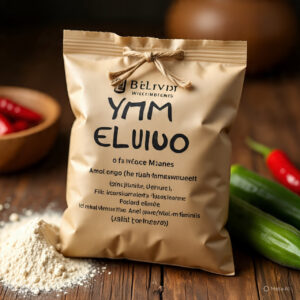
-
Retail Packaging:
-
1kg, 2kg, or 5kg laminated polythene or nylon bags.
-
Printed with brand name, nutritional info, and cooking instructions.
-
-
Bulk Packaging:
-
25kg or 50kg polypropylene woven sacks with polyethylene liners.
-
Each package should include:
-
Product name (“Yam Flour”)
-
Botanical name (Dioscorea spp.)
-
Net weight
-
Batch number
-
Manufacturing & expiry date
-
Storage instructions
-
Country of origin
HS Code
-
1106.20 – Flour, meal, and powder of sago, roots, or tubers (including yam flour).
Export Form
-
Dried yam flour (bulk)
-
Retail packaged yam flour (branded packs)
Top Import Destinations
-
United Kingdom – high demand among Nigerian and Ghanaian communities.
-
United States & Canada – widely sold in African and Caribbean shops.
-
Europe (Germany, Italy, France, Netherlands) – demand in ethnic food markets.
-
Middle East (UAE, Saudi Arabia, Qatar) – growing Nigerian and African diaspora population.
Conclusion
Yam flour is one of the most exported African food items because of its cultural and nutritional significance. Exporters who focus on high-quality processing, attractive retail packaging, and compliance with international food regulations can build a profitable and sustainable yam flour export business.